Built for researchers
All your papers, notes,
and sources in one place.
The AI workspace for researchers who need to read, organize, and synthesize large volumes of information.
One place for everything you're working through.
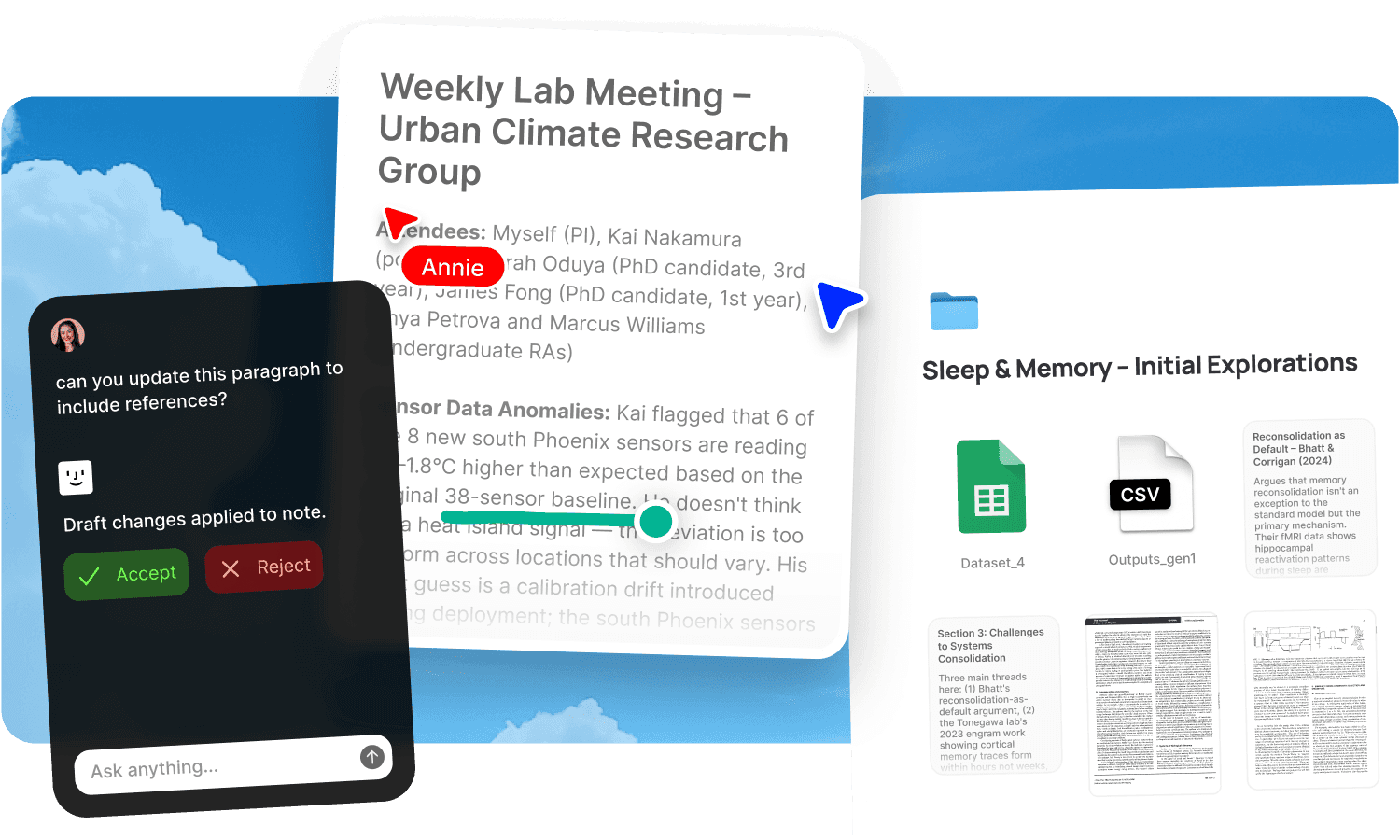
A place to read and think.
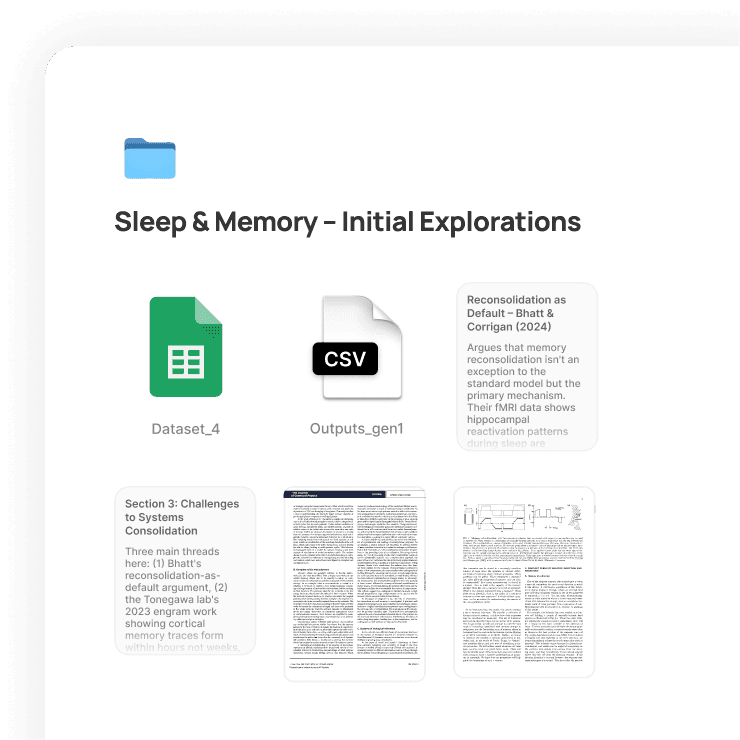
All your reading in one place.
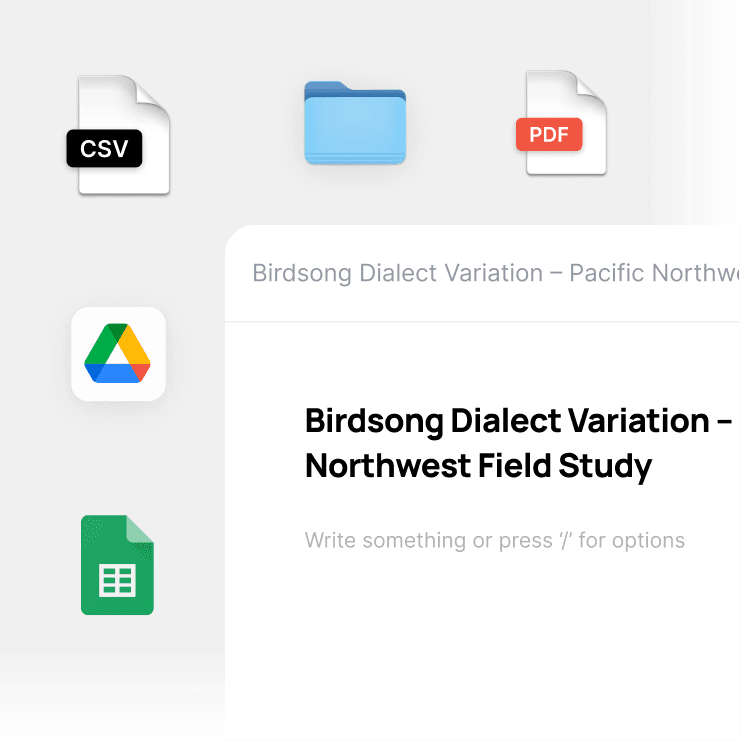
Papers, PDFs, articles, book excerpts, lecture notes, web clippings.
Drop them into a space and start reading.
Highlight, annotate, and build understanding as you go.
Write alongside your sources.
Capture your thinking right next to the material that sparked it.
Notes, questions, connections, early drafts. Everything stays together so you never lose the thread.
An assistant that's read everything you have.
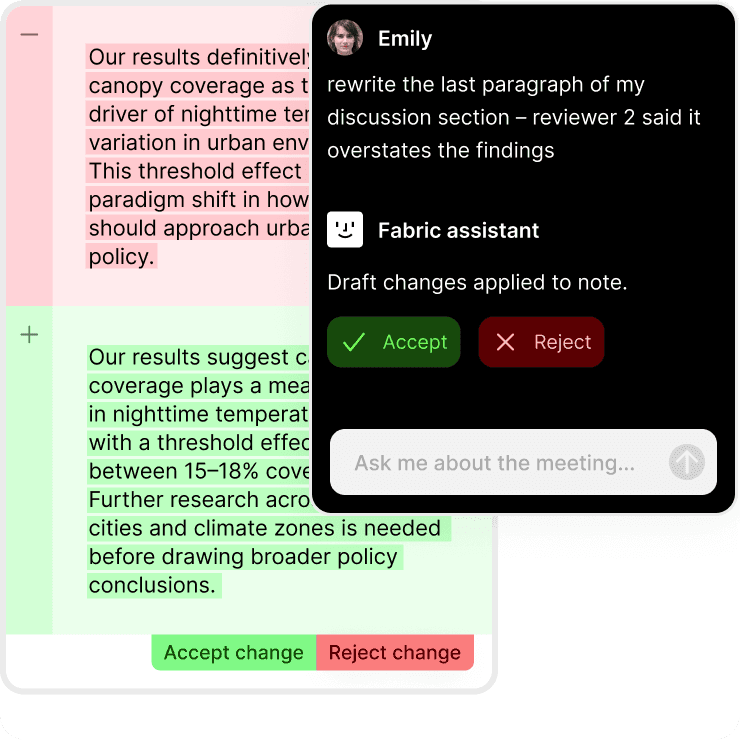
Ask it anything about your research.
Fabric's AI works with your files, not just the internet.
Draft a paragraph in the voice of your last paper
Compare arguments across sources
Rewrite a methods section from reviewer feedback
Turn scattered notes into a structured argument.
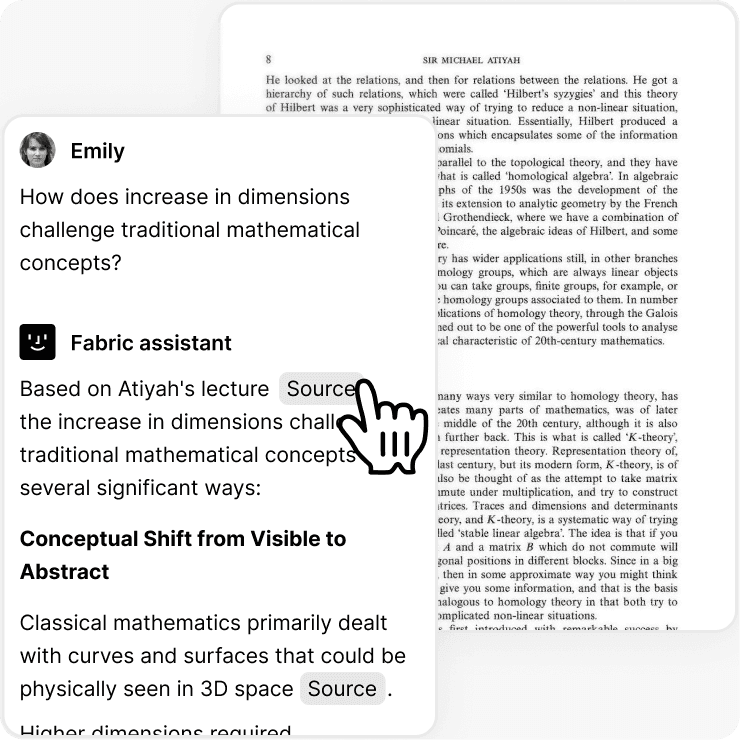
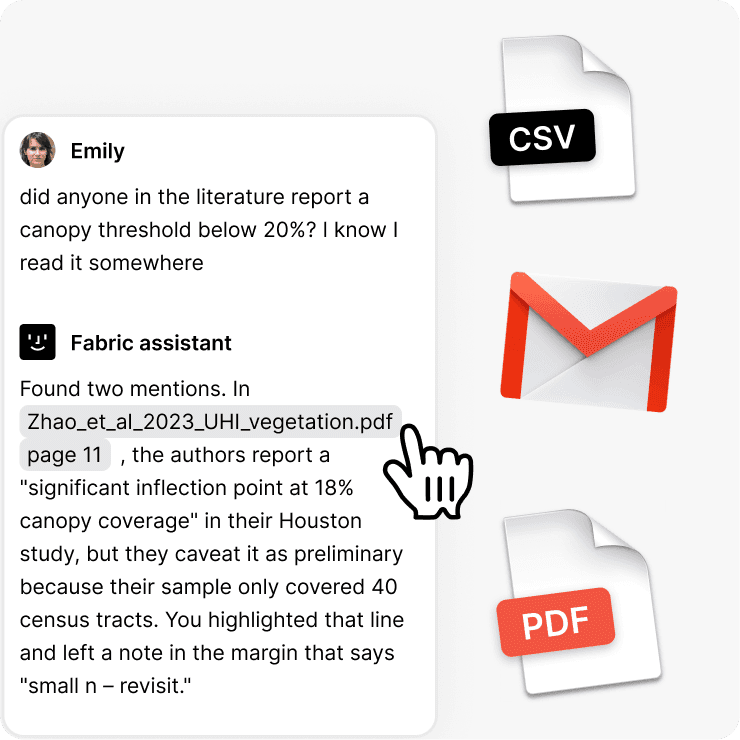
Referenced answers.
Every response points back to the source.
Click through to the exact passage.
Verify claims, check context, and go deeper.
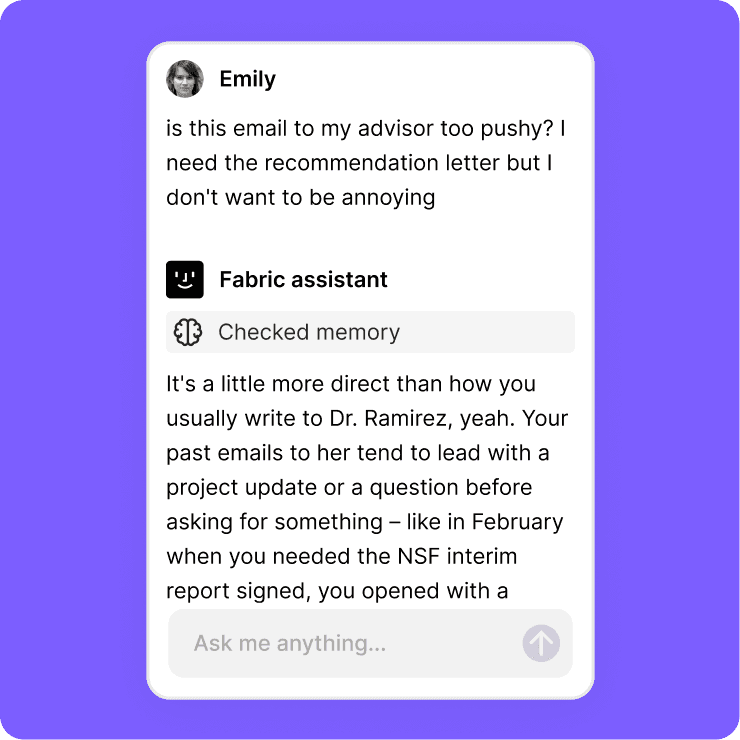
It grows with your work.
The more you add, the more your assistant understands your field, your focus, and the connections between your sources.
Find anything instantly.
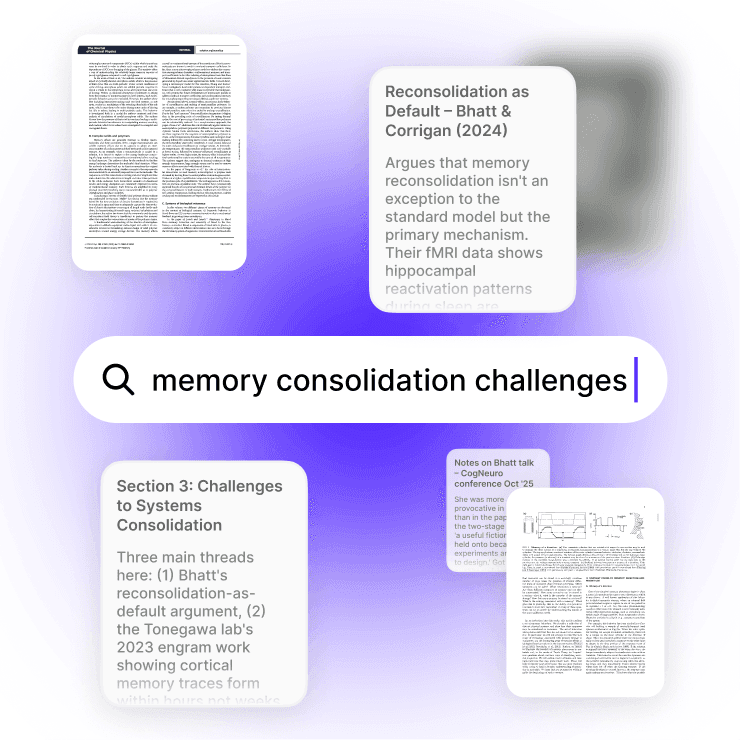
Search by meaning, not keywords.
Type "papers that challenge the standard model of memory consolidation" and Fabric finds relevant material across your entire library.
No tagging. No manual organization.
Search inside PDFs and documents.
Find the exact paragraph, page, or passage.
Fabric searches the content itself, not just titles and file names. Jump directly to the relevant section.
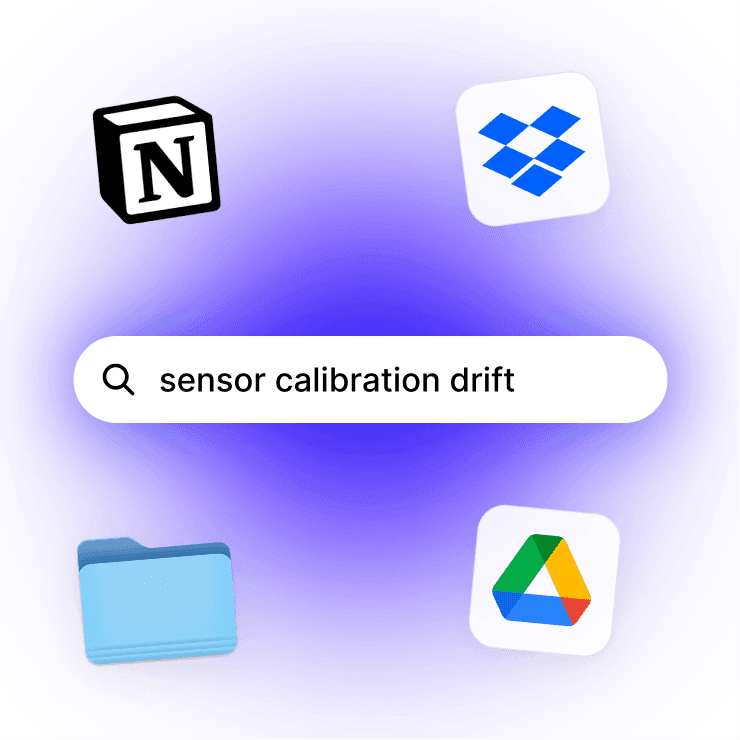
Cross-platform search.
Connected to Google Drive, Notion, Zotero exports, or Dropbox?
Fabric searches across everything from one place.
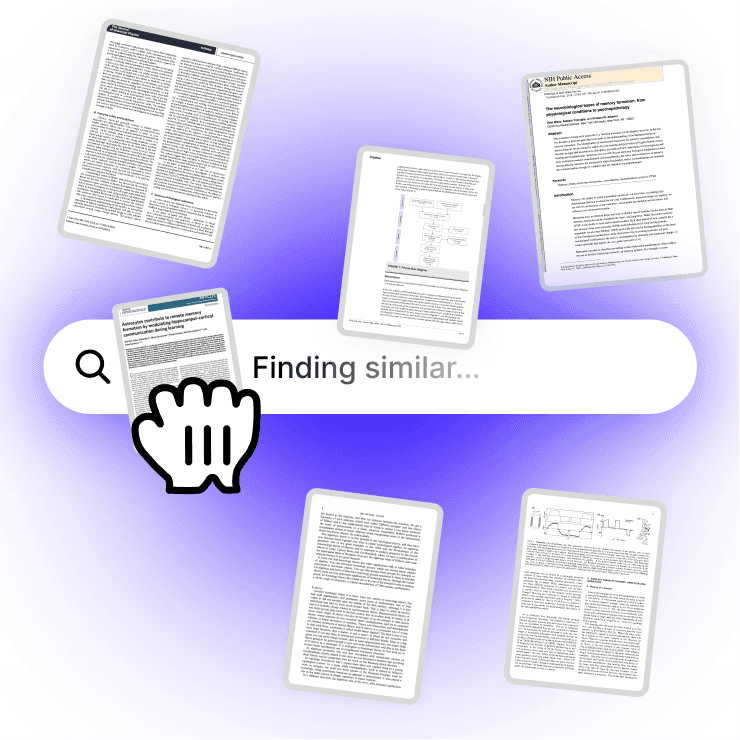
Find similar sources.
Select any paper and Fabric shows you related material across your library.
Surface connections between sources you didn't know were related.
Annotate anything.
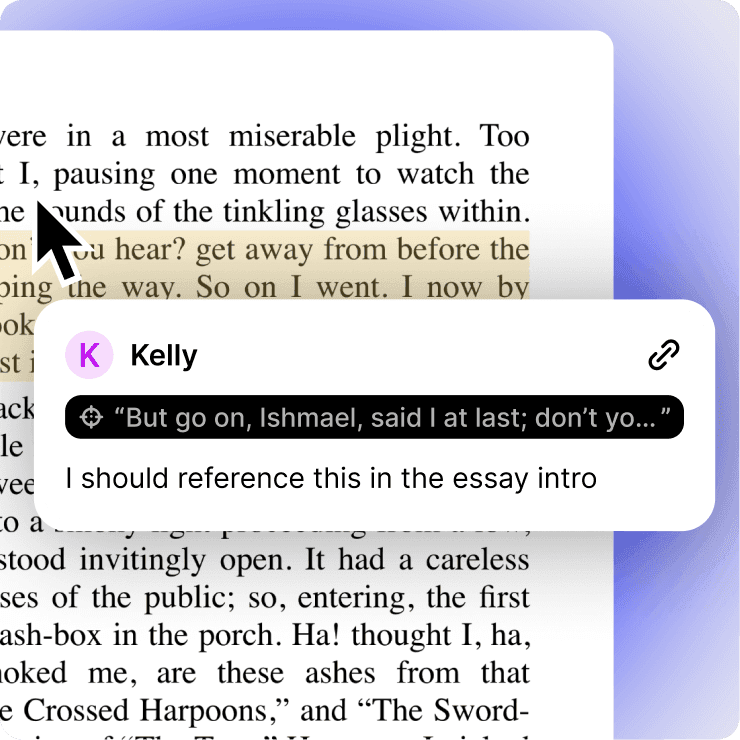
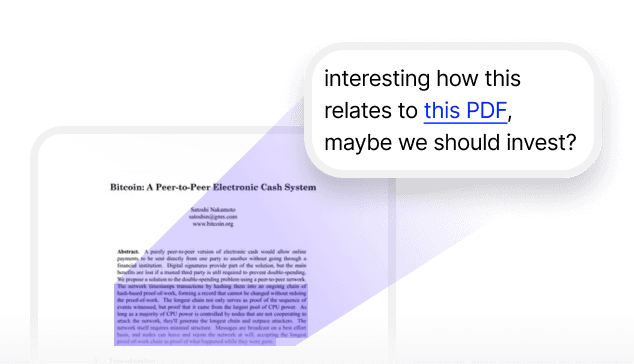
Highlight and comment on PDFs.
Mark up papers, underline key arguments, leave questions in the margins.
All your annotations are searchable and available to the AI assistant.
Annotate across formats.
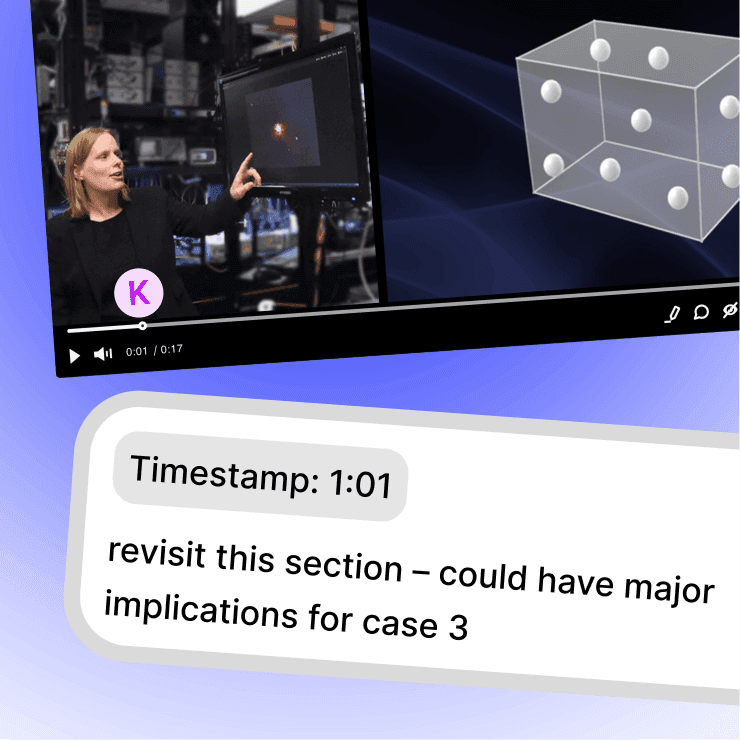
Leave timestamped comments on recorded lectures or talks.
Pin notes to specific sections of any document.
Every annotation becomes part of your searchable knowledge base.
Collaborate and share.
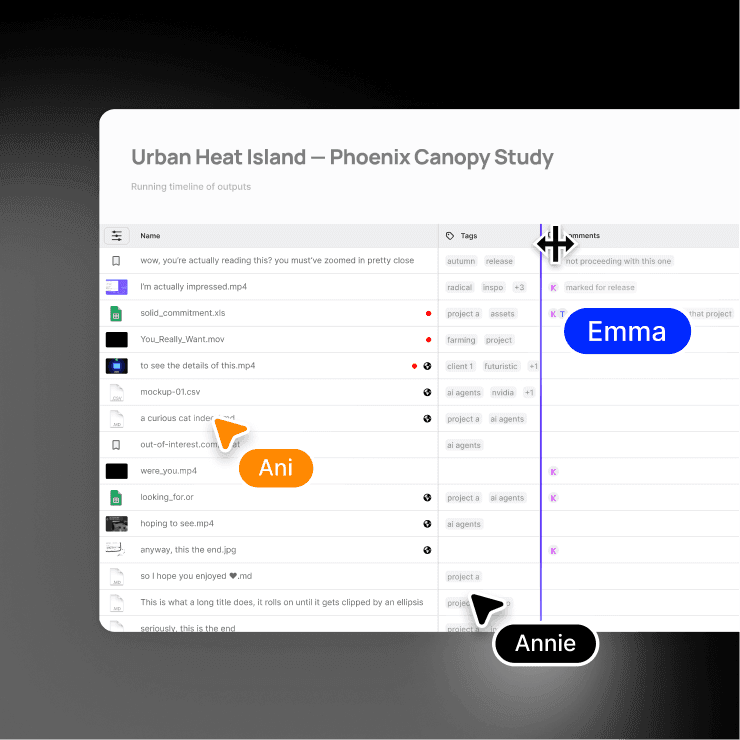
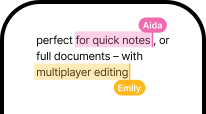
Share a space with your lab or research group.
Everyone can add papers, leave comments, and chat with the AI assistant about shared materials.
Build a collective knowledge base.
Publish and share your work.
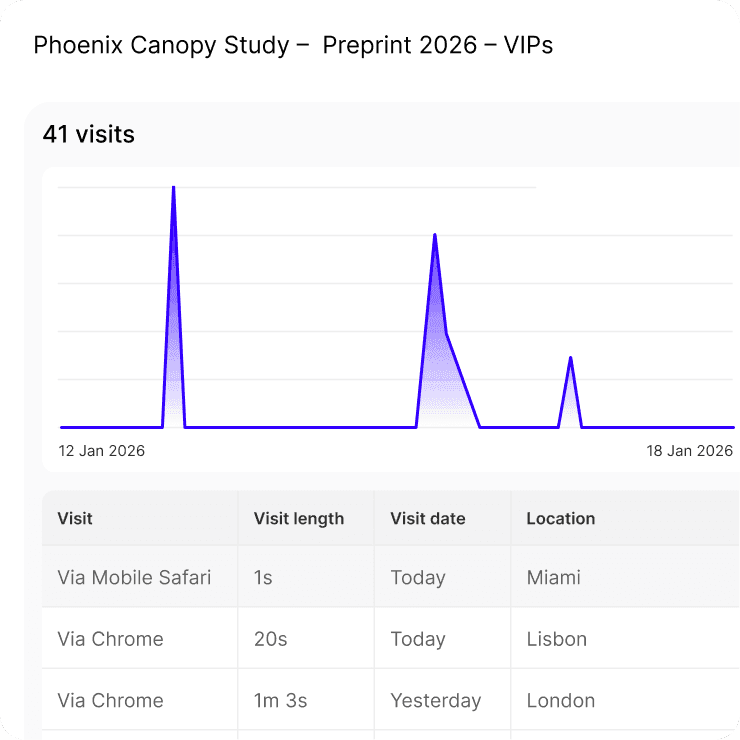
Share a reading list, a literature review, or a set of notes with a single link.
Control permissions and see who's engaged with it.
Record and transcribe.
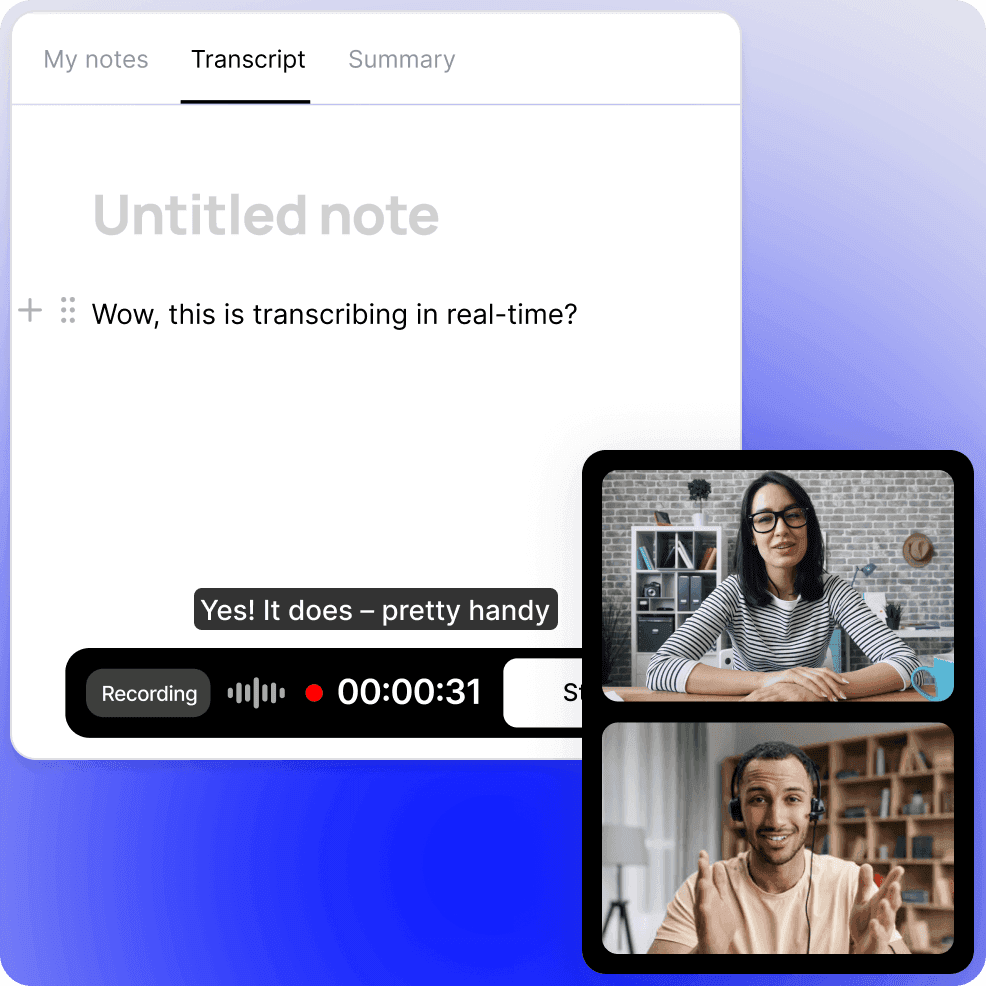
Capture lectures, interviews, and discussions.
Record a seminar, a field interview, or a conversation with a colleague.
Fabric transcribes it and makes it searchable.
Find the exact moment someone said something important.
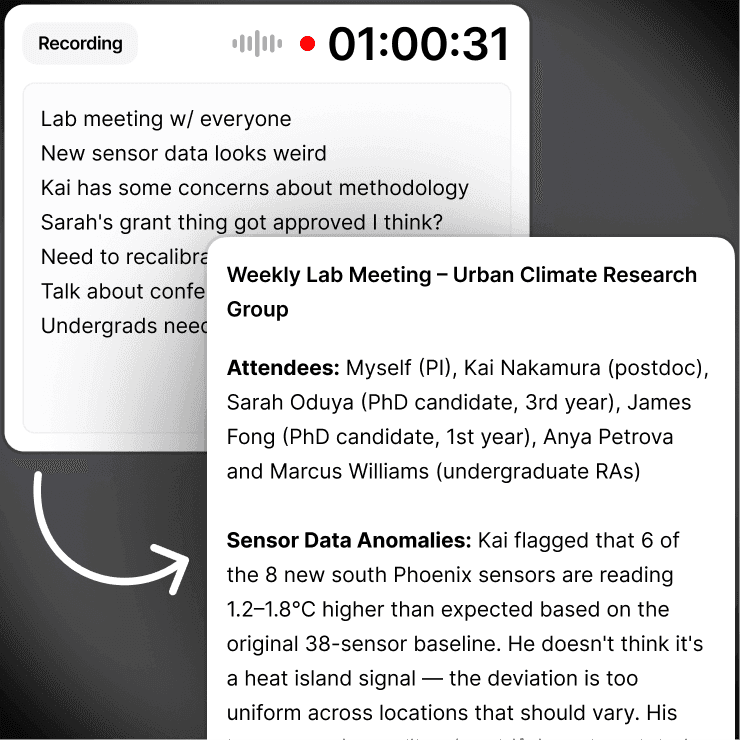
Notes that combine with your transcript.
Add your own thoughts before, during, or after.
Everything merges into one document. Focus on the conversation, not on getting every word down.
Email things to your Fabric Assistant.
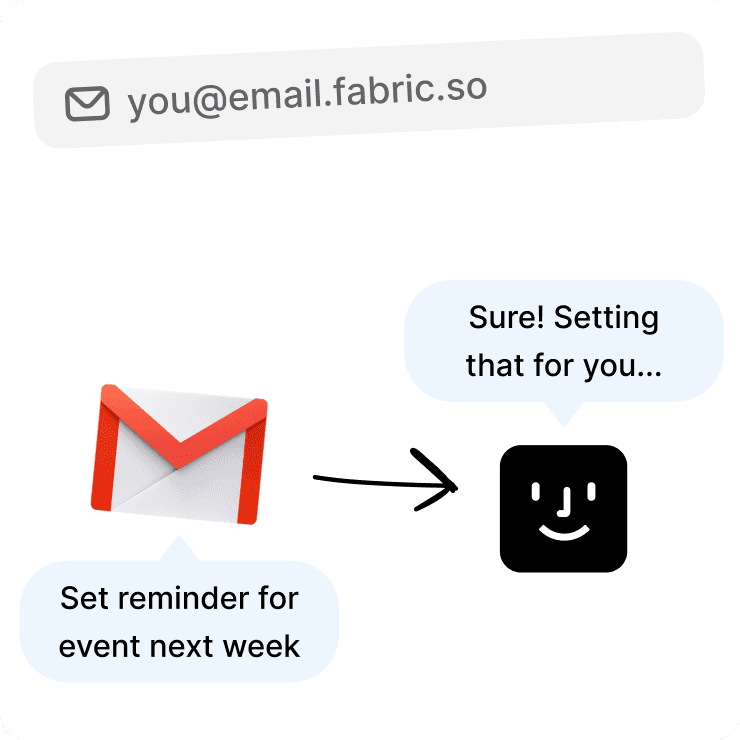
Your own Fabric email address.
Every account gets a personal address.
Forward a paper a colleague shared, a newsletter, an interesting article, or notes from a conference.
It's filed before you open the app.
Fabric summarizes it and your AI assistant can reference it later. Build your research library from your inbox.
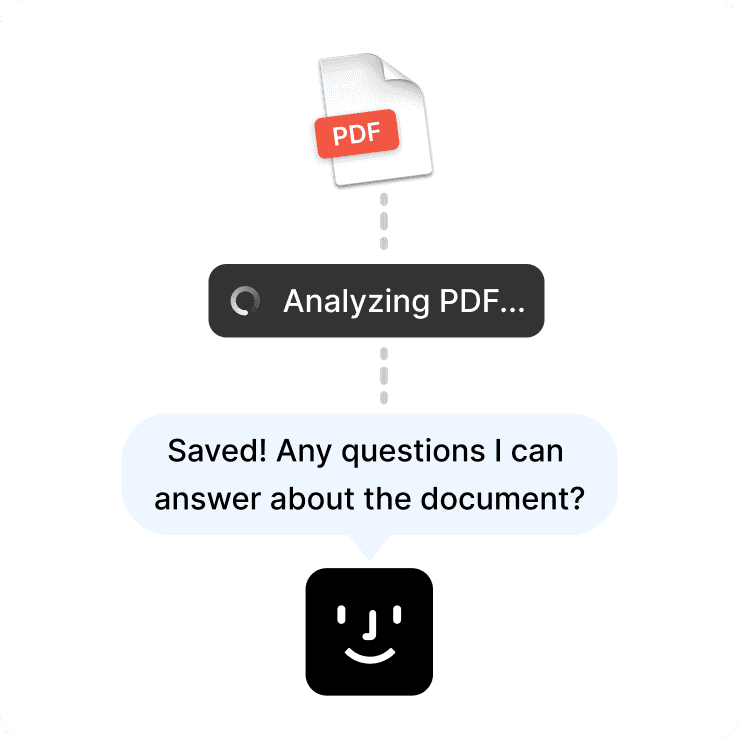
Works with everything you use.
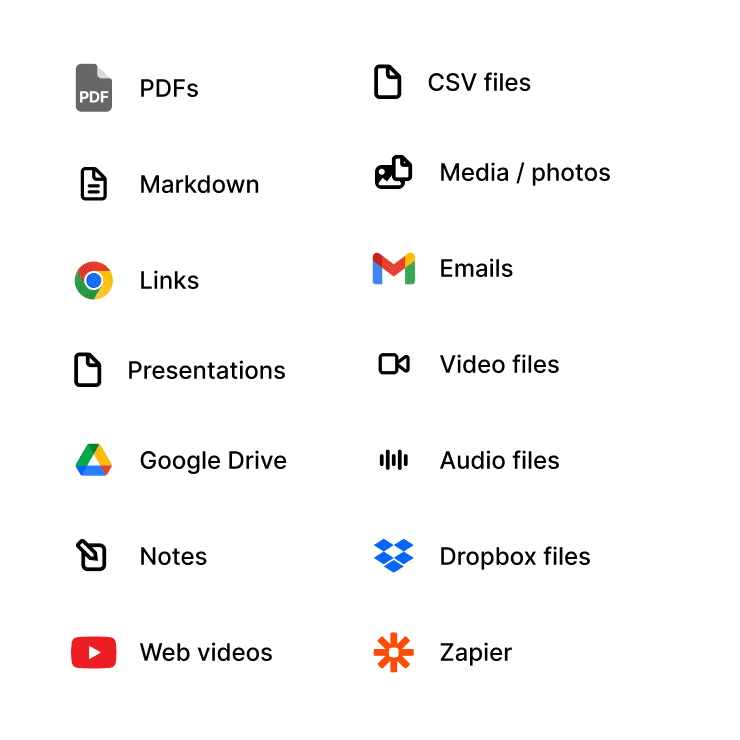
All your formats, all in one place.
PDFs, documents, images, audio, video, links, web clips, spreadsheets, data files. Import from Google Drive, Notion, Dropbox, or reference managers.
Drag and drop anything.
Searchable and AI-ready.
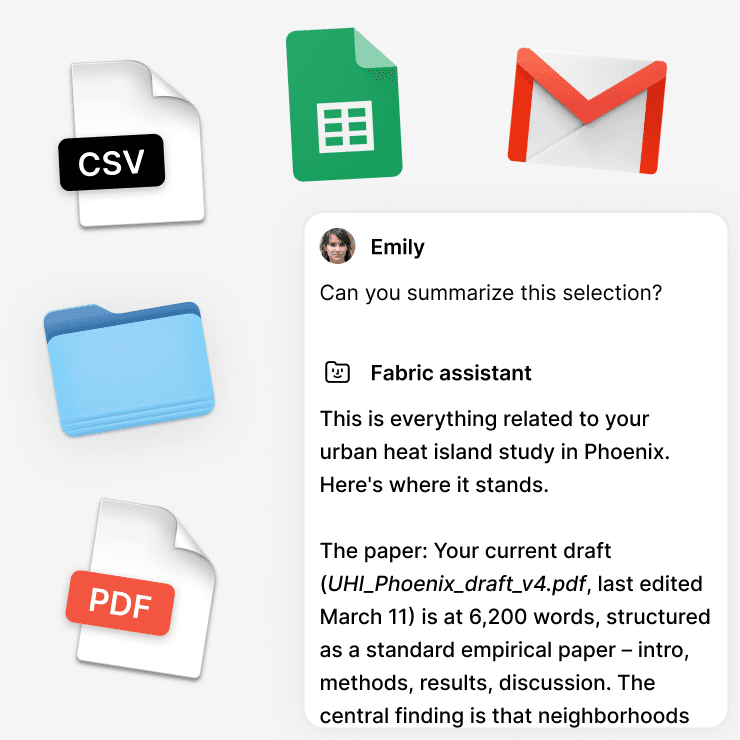
Everything becomes available to your Fabric AI Assistant the moment it lands in Fabric.
FAQs
Is Fabric free?
Yes. Fabric has a free plan that includes spaces, AI assistant access, search, and all core features. Paid plans add more storage and advanced capabilities.
How is this different from Zotero or Mendeley?
Reference managers are built for citations and bibliographies. Fabric is built for thinking. The AI assistant reads and understands your entire library, so you can ask questions across all your sources, find connections between papers, and write alongside your references. It's a workspace, not just a filing system.
Can I use it for qualitative research?
Yes. Upload interview recordings, field notes, images, or documents. Fabric transcribes audio, makes everything searchable, and the AI assistant can help you identify themes and patterns across your data.
Can I collaborate with my research group?
Yes. Share a space with anyone. They can add papers, annotate documents, and chat with the AI assistant about shared materials.
Does Fabric work with LaTeX or academic writing tools?
Fabric's editor is markdown-based, and you can export your notes and writing to use in any tool. It's designed for the thinking and synthesis stage of research, alongside your sources.